
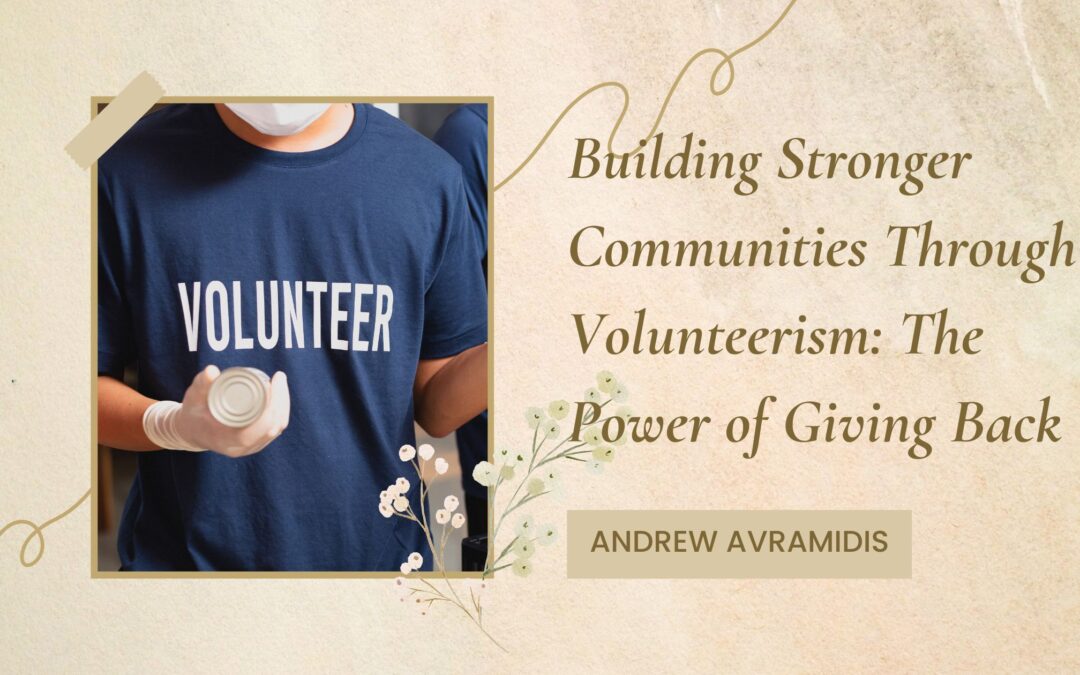
Volunteerism plays a vital role in building stronger, more resilient communities by harnessing the power of collective action and altruism to address local challenges and meet the needs of vulnerable populations. Whether through organized volunteer programs, community service projects, or individual acts of kindness, volunteerism strengthens social connections, promotes civic engagement, and fosters a culture of compassion and reciprocity.
Volunteerism brings people together from diverse backgrounds and walks of life, uniting them around a shared commitment to serving others and making a positive difference in their communities. By volunteering their time, skills, and resources, individuals forge meaningful connections with fellow volunteers, community members, and the organizations they support, building social capital and strengthening the fabric of their communities.
Moreover, volunteerism promotes civic engagement and active citizenship by empowering individuals to play an active role in shaping the future of their communities. Through volunteer service, individuals develop a sense of ownership and responsibility for the well-being of their neighborhoods and become more invested in local issues and initiatives. By participating in community clean-up efforts, neighborhood watch programs, or advocacy campaigns, volunteers contribute to the collective effort to create safer, healthier, and more inclusive communities for all.
Additionally, volunteerism fosters a culture of empathy, compassion, and solidarity as individuals come together to support those in need and address pressing social challenges. Whether volunteering at a local food bank, homeless shelter, or animal rescue organization, volunteers provide vital assistance and support to vulnerable populations, helping to alleviate suffering and improve quality of life. Through acts of kindness and service, volunteers inspire others to join them in making a positive impact and create ripple effects of generosity and goodwill throughout their communities.
Furthermore, volunteerism offers numerous personal benefits, including opportunities for personal growth, skill development, and social connection. By volunteering, individuals can learn new skills, gain valuable experience, and expand their networks, enhancing their employability and personal development. Volunteerism also provides a sense of fulfillment, purpose, and belonging as individuals contribute their time and talents to causes they are passionate about and see the tangible impact of their efforts on the lives of others.
In conclusion, volunteerism is a powerful force for positive change that strengthens communities, empowers individuals, and fosters a sense of belonging and connection. By embracing volunteerism and giving back to their communities, individuals can make a meaningful difference in the lives of others while experiencing personal growth, fulfillment, and joy. Together, through collective action and shared values, we can build stronger, more resilient communities where everyone has the opportunity to thrive.