
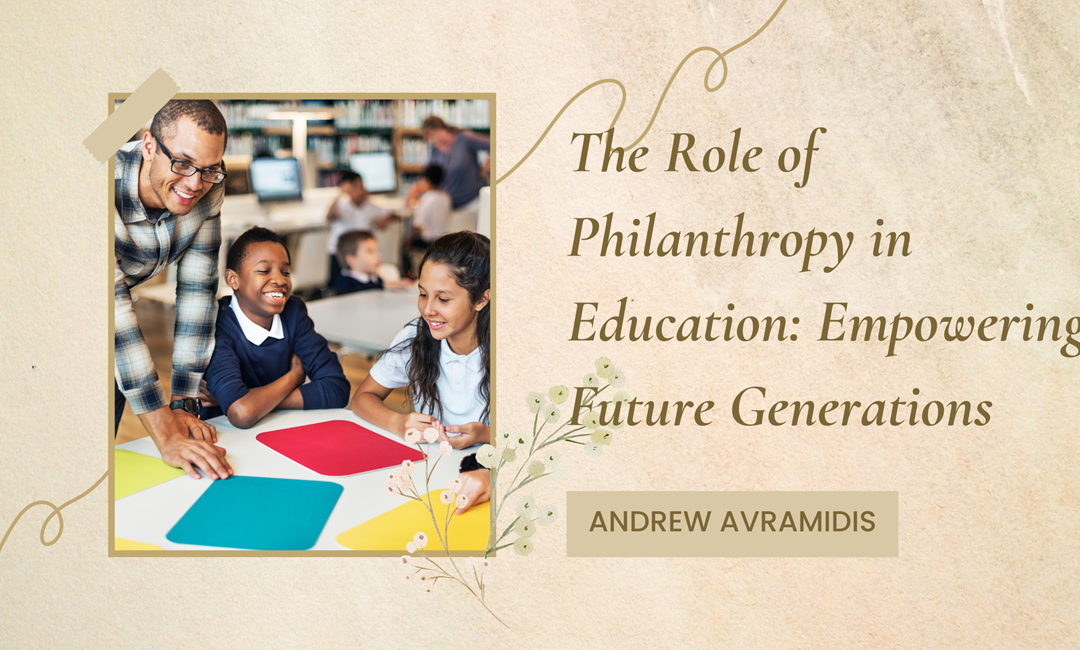
Education is widely recognized as a fundamental human right and a key driver of social and economic development. However, access to quality education remains a challenge for millions of children and youth around the world, particularly those living in underserved communities. Philanthropy plays a crucial role in addressing this challenge by supporting educational initiatives, programs, and organizations that empower individuals and communities through learning. Let’s explore the role of philanthropy in education and its impact on shaping society’s future.
Philanthropic contributions to education take various forms, including scholarships, grants, funding for schools and educational institutions, teacher training programs, educational technology initiatives, and literacy and numeracy programs. These investments aim to improve access to education, enhance educational quality and outcomes, and promote lifelong learning opportunities for all. By investing in education, philanthropists can break the cycle of poverty, unlock human potential, and create pathways to social mobility and economic prosperity.
One key benefit of philanthropy in education is its ability to expand access to education for marginalized and disadvantaged populations. By funding scholarships and financial aid programs, philanthropists can remove barriers to education and enable individuals from low-income backgrounds to pursue higher education and achieve their full potential. Scholarships provide opportunities for talented students to access quality education, pursue their academic and career aspirations, and contribute to society as future leaders, innovators, and changemakers.
Moreover, philanthropy in education can drive innovation and excellence in teaching and learning. By supporting educational research, curriculum development, and teacher training initiatives, philanthropists can enhance the quality of education and equip educators with the knowledge, skills, and resources needed to deliver effective instruction and foster student success. Investments in educational technology and digital learning platforms enable students to access educational resources and opportunities anytime, anywhere, expanding access to high-quality education beyond traditional classroom settings.
Furthermore, philanthropy in education plays a crucial role in promoting equity, diversity, and inclusion in education. By investing in initiatives that address systemic barriers and disparities in educational access and achievement, philanthropists can ensure that all learners have equal opportunities to succeed regardless of their background, identity, or socioeconomic status. Initiatives that support underrepresented groups, such as girls and women, children with disabilities, and ethnic and linguistic minorities, help create a more inclusive and equitable education system that benefits society as a whole.
In conclusion, philanthropy plays a vital role in advancing education and empowering future generations to reach their full potential. By investing in education, philanthropists can make a profound and lasting impact on individuals, communities, and society as a whole. As we work towards achieving the United Nations Sustainable Development Goal of ensuring inclusive and equitable quality education for all, philanthropy will continue to be a driving force for positive change in education and a catalyst for building a more just, equitable, and prosperous world.